Neuravellor
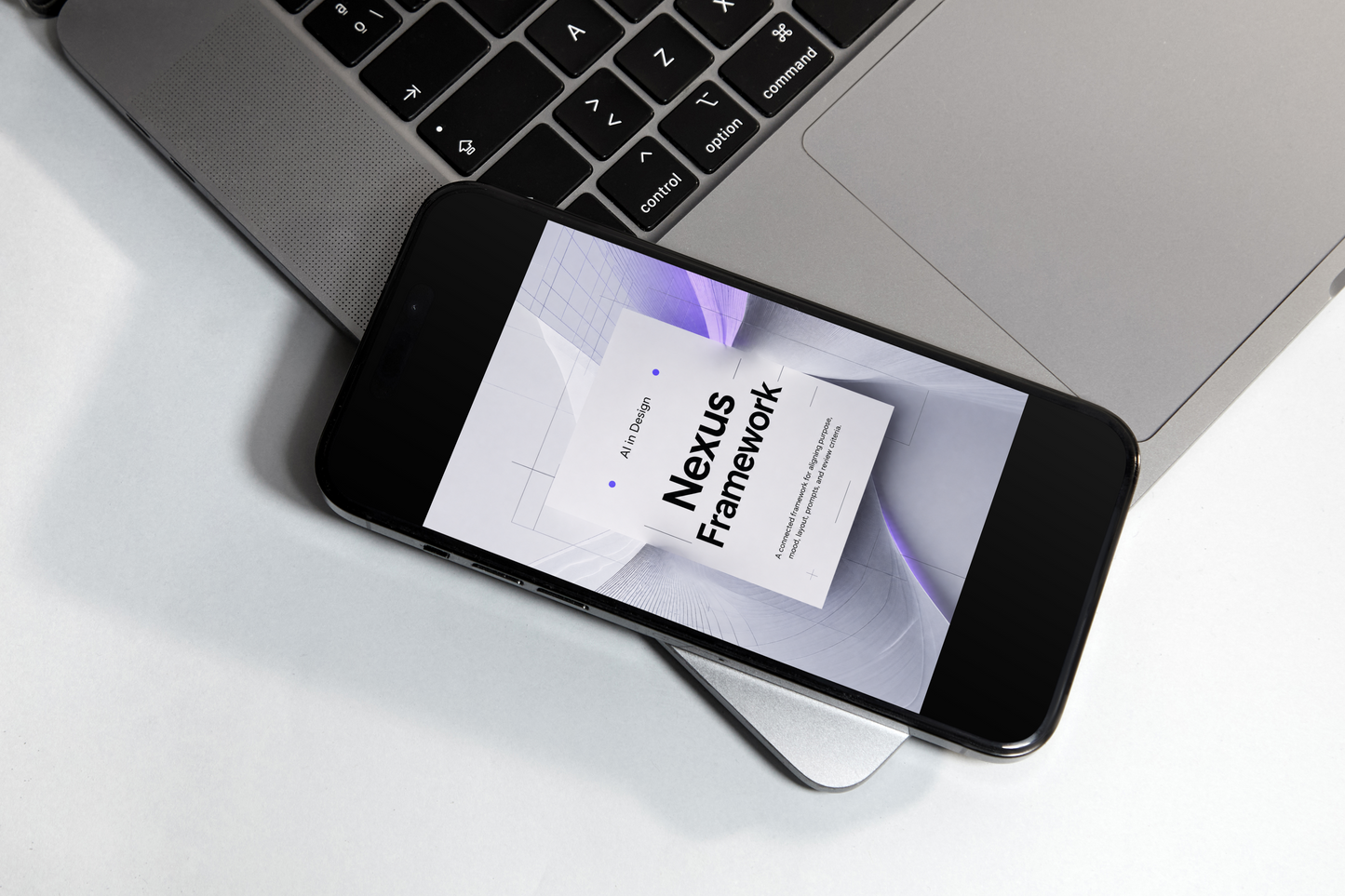
Nexus Framework
Nexus Framework
Couldn't load pickup availability
- 📦 Digital file available after purchase
- 💾 Long-term availability
- 🛡️ Secure checkout
- 🗓️ Content updated in 2026
Self-paced learning overview
Share
Problem Statement
Many learners study design topics one by one, but they may struggle to connect them during a real creative task. A design concept can include a strong idea, clear mood, useful layout notes, and practical review questions, yet still feel scattered if these parts are not linked. AI-assisted design work often benefits from a framework where every instruction supports the same creative direction. Without a connected structure, learners may revise one part of the idea while unintentionally weakening another part. Nexus Framework was created to help learners study the relationship between design decisions.
Solution
Nexus Framework gives learners a structured method for connecting design planning stages into one shared system. The course explains how purpose, audience, format, composition, mood, prompt language, and review criteria can work together. Learners practice building project notes where each section supports the others instead of standing alone. The materials show how to create a design framework that can guide both early planning and later adjustments. This tier helps learners understand AI-assisted design as a connected study process rather than a set of separate steps.
What’s Inside
Nexus Framework begins with a module on connected design thinking. Learners study how a creative idea becomes clearer when every design note points toward the same purpose. The course explains how disconnected choices can make a project feel inconsistent, even when each part seems interesting on its own.
The next section focuses on framework building. Learners are guided through a practical structure that includes project purpose, intended viewer, visual message, format, layout direction, mood notes, prompt sections, and review criteria. Each part is explained in detail so learners can understand how one section affects the next.
The course also includes a design connection map. This resource helps learners see relationships between creative choices. For example, a calm visual mood may call for wider spacing, softer contrast, and simpler composition, while a bold direction may call for stronger hierarchy, sharper contrast, and more focused visual weight.
Nexus Framework includes a prompt alignment worksheet. Learners practice checking whether each part of a prompt supports the project’s main direction. They study how subject details, visual style, composition, lighting, color, and output notes can be aligned with the original brief.
A review criteria section is also included. Learners create practical review questions before assessing a design concept. These questions may cover clarity, visual focus, tone, spacing, consistency, hierarchy, and message. This helps learners avoid reviewing only by personal preference and instead look at whether the design follows the planned framework.
The tier also includes applied exercises where learners take one design idea and build a full framework around it. They practice writing the brief, mapping visual decisions, creating prompt sections, and preparing revision notes. These exercises help learners understand how a connected process can make creative study more organized.
Who is this for?
Nexus Framework is for learners who want to bring more order to AI-assisted design projects. It is suitable for people who have studied idea planning, layout, flow, and mood but now want to connect those skills into one fuller structure. This tier can support learners creating brand visuals, concept systems, learning graphics, digital layouts, content visuals, or creative direction documents. It is especially useful for learners who want to understand how each design decision affects the rest of the project.
What You’ll Learn
- How to connect design purpose, mood, layout, and prompt language
- How to build a clear framework for AI-assisted design study
- How to align creative notes with one shared direction
- How to map relationships between visual decisions
- How to prepare review criteria before evaluating design concepts
- How to organize project notes into connected sections
- How to identify when design choices do not support each other
- How to create a structured foundation for larger creative tasks
Refund Information
- 30-day money back
- Risk-free
What is the main focus of these course tiers?
What is the main focus of these course tiers?
The tiers focus on AI in design, including idea planning, prompt writing, visual direction, layout thinking, creative organization, and review habits.
Are the materials suitable for self-paced study?
Are the materials suitable for self-paced study?
Yes. Each tier is organized into modules and resources that learners can study at their own pace, with clear sections and practical examples.
Do I need previous design experience to study these courses?
Do I need previous design experience to study these courses?
No previous design background is required. Neuravellor materials are written to help learners begin with clear explanations, simple creative examples, and structured study steps.