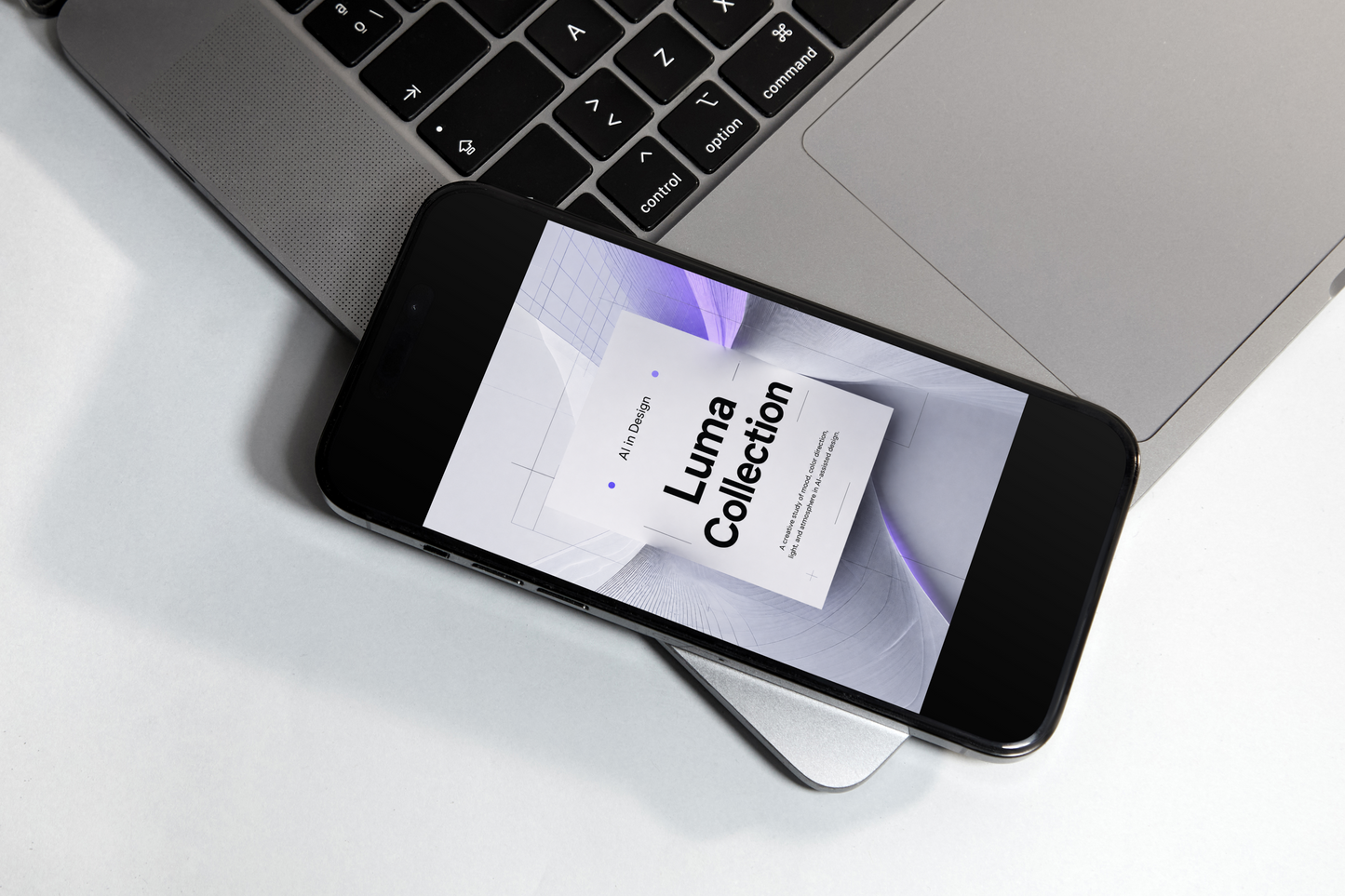
Neuravellor
Luma Collection
Luma Collection
Couldn't load pickup availability
- 📦 Digital file available after purchase
- 💾 Long-term availability
- 🛡️ Secure checkout
- 🗓️ Content updated in 2026
Self-paced learning overview
Share
Problem Statement
Many design learners describe what they want to create, but they may find it harder to explain how the design should feel. Mood, light, color, contrast, and atmosphere can strongly affect visual communication, yet these ideas are often described with unclear wording. AI-assisted design study can become confusing when learners use broad style terms without explaining tone, brightness, depth, or visual emphasis. A design may have a strong concept but still feel incomplete if the atmosphere does not support the message. Luma Collection was created to help learners study the visual qualities that shape mood and direction.
Solution
Luma Collection gives learners a structured way to study light and atmosphere as part of design planning. The course explains how color notes, brightness levels, contrast, shadow, softness, clarity, and visual warmth can influence a creative result. Learners practice writing more detailed mood descriptions and connecting them to purpose, audience, and layout. The materials show how light and color can support hierarchy, focus, and visual consistency. This tier helps learners make tone and atmosphere part of their AI-assisted design language.
What’s Inside
Luma Collection begins with a module on visual mood and why it matters in design study. Learners explore how atmosphere can change the way a concept is understood, even when the subject stays the same. The course explains mood through clear categories such as calm, bold, refined, playful, minimal, structured, bright, muted, soft, and dramatic.
The next section focuses on color language. Learners study how to describe color direction without relying only on basic color names. The materials introduce ideas such as warm palettes, cool palettes, muted tones, bright accents, low contrast, high contrast, neutral backgrounds, and focused color highlights. These descriptions help learners write clearer creative notes for AI-assisted design tasks.
Luma Collection also includes a light and shadow planning guide. This guide helps learners think about brightness, depth, softness, highlight placement, and shadow balance. Learners study how light can support the main subject, separate layers, create visual interest, or make a design feel more open.
A mood-to-prompt worksheet is included in this tier. This worksheet helps learners turn feeling-based words into more specific design instructions. For example, learners practice expanding a simple word like “calm” into notes about soft contrast, spacious layout, muted color, gentle lighting, and clean composition.
The course also includes atmosphere review exercises. Learners compare design directions and write notes about whether the mood matches the purpose. They study how to notice when color feels too busy, contrast feels unclear, or lighting does not support the main idea.
Who is this for?
Luma Collection is for learners who want to study the emotional and visual tone of AI-assisted design more carefully. It is useful for people who already understand basic design briefs and layouts but want stronger language for mood, color, light, and atmosphere. This tier can support learners working on brand concepts, visual boards, digital graphics, creative campaigns, course visuals, or image direction. It is especially helpful for learners who often know the feeling they want but need a clearer way to describe it.
What You’ll Learn
- How to describe visual mood with clearer design language
- How color, light, and contrast affect creative direction
- How to write atmosphere notes for AI-assisted design prompts
- How to connect mood with layout, subject, and purpose
- How to use brightness, shadow, and softness in visual planning
- How to review whether tone supports the main design idea
- How to turn broad mood words into detailed creative instructions
- How to create more consistent visual direction across design concepts
Refund Information
- 30-day money back
- Risk-free
What is the main focus of these course tiers?
What is the main focus of these course tiers?
The tiers focus on AI in design, including idea planning, prompt writing, visual direction, layout thinking, creative organization, and review habits.
Are the materials suitable for self-paced study?
Are the materials suitable for self-paced study?
Yes. Each tier is organized into modules and resources that learners can study at their own pace, with clear sections and practical examples.
Do I need previous design experience to study these courses?
Do I need previous design experience to study these courses?
No previous design background is required. Neuravellor materials are written to help learners begin with clear explanations, simple creative examples, and structured study steps.