Neuravellor
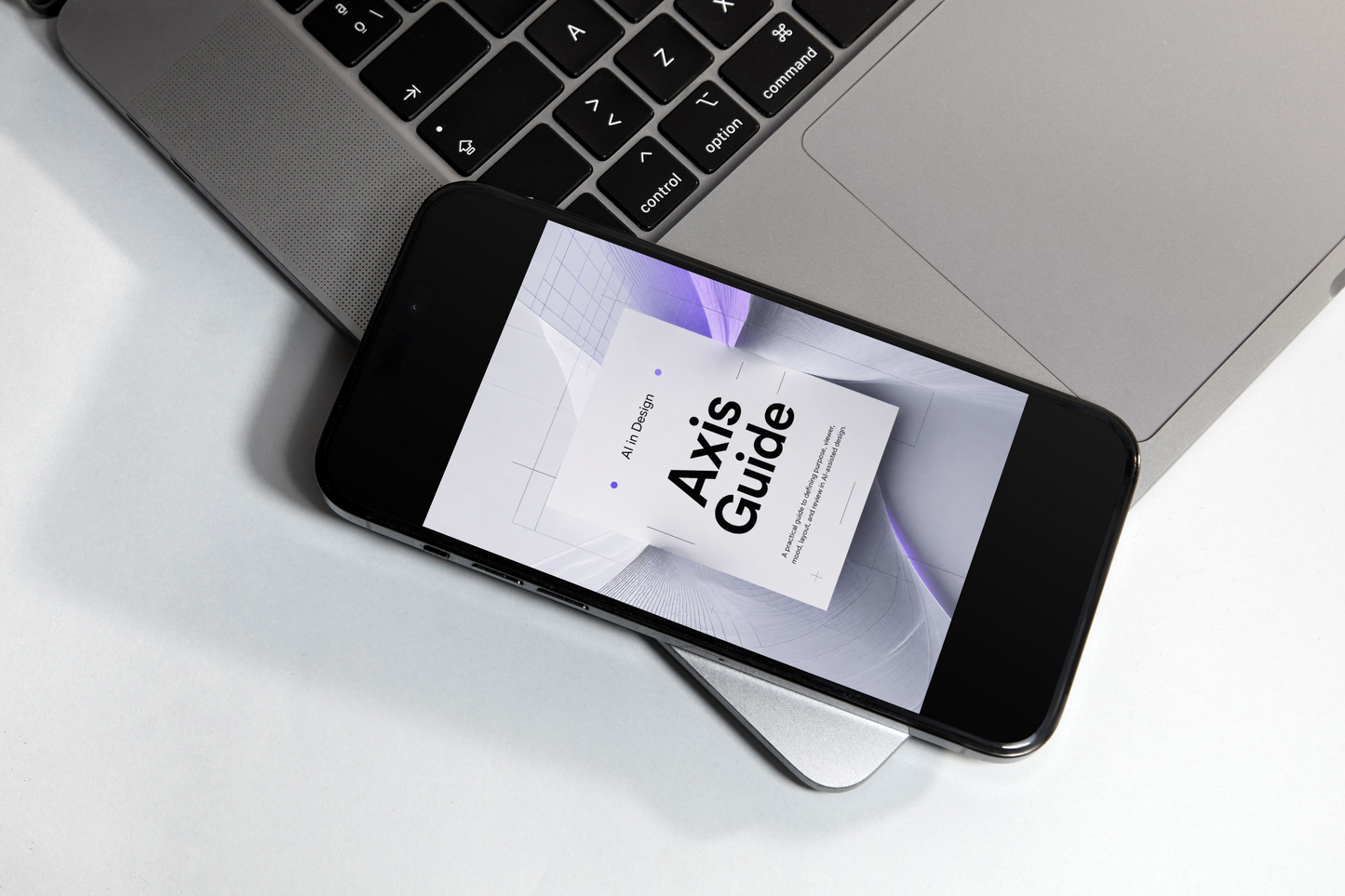
Axis Guide
Axis Guide
Couldn't load pickup availability
- 📦 Digital file available after purchase
- 💾 Long-term availability
- 🛡️ Secure checkout
- 🗓️ Content updated in 2026
Self-paced learning overview
Share
Problem Statement
After learning the basics, many learners still find it difficult to turn a design idea into a structured creative direction. They may know what they want to create, but the idea can remain too broad, unclear, or difficult to describe. AI-assisted design work often depends on the quality of the instructions, references, and review notes prepared before the creative process begins. Without a clear axis for the project, learners may jump between different styles, moods, layouts, and details without understanding why each choice matters. Axis Guide was created to help learners organize their design thinking before moving into more detailed creative work.
Solution
Axis Guide gives learners a practical structure for shaping design ideas with more care. The course explains how to define a visual direction by studying purpose, audience, mood, format, composition, and design language. Learners are guided through a step-by-step process for turning rough thoughts into more detailed creative notes. The materials show how stronger planning can support clearer prompts, more thoughtful review, and better-organized visual experiments. This tier helps learners create a stable starting point for AI-assisted design tasks before exploring broader workflows.
What’s Inside
Axis Guide includes structured materials focused on design direction and idea organization. The course begins with a section on creative orientation, where learners study how to define the purpose of a design before writing prompts or choosing visual details. This includes questions about message, tone, audience, theme, and the role of each visual element.
The next section focuses on design brief writing. Learners study how to build a simple but detailed brief that includes the core idea, visual mood, layout direction, color notes, style references written in general terms, and review points. The materials explain how each part of the brief can guide the creative process and reduce confusion during later revisions.
Axis Guide also includes a prompt structure worksheet. This worksheet helps learners arrange prompts into clear parts, including subject, setting, style direction, format, design purpose, and adjustment notes. Instead of writing one unclear sentence, learners practice building prompts that explain the design idea in layers.
Another part of the tier introduces visual review habits. Learners study how to look at a generated or drafted design concept and ask useful questions about balance, spacing, focus, hierarchy, and clarity. This section helps learners understand that reviewing design is not only about personal taste; it is also about noticing structure and communication.
The course also contains simple practice activities. Learners can work through short creative tasks, such as turning a vague idea into a design brief, rewriting a prompt with more detail, comparing two visual directions, and preparing revision notes for a concept.
Who is this for?
Axis Guide is for learners who have a basic interest in AI in design and want to study the planning stage more deeply. It is suitable for beginners who need structure, creative learners who want clearer design direction, and anyone who wants to improve how they describe visual ideas. This tier is also useful for people who create learning projects, visual concepts, brand ideas, mood boards, content layouts, or simple digital design plans. It is intended for learners who want to slow down, organize their thoughts, and build a stronger creative starting point.
What You’ll Learn
- How to define the main direction of a design idea
- How to write clearer design briefs for AI-assisted work
- How to organize prompts into useful creative sections
- How mood, purpose, audience, and format shape design choices
- How to describe visual style without relying on vague wording
- How to prepare review notes for design concepts
- How to compare different creative directions
- How to build a more structured planning habit for design study
Refund Information
- 30-day money back
- Risk-free
What is the main focus of these course tiers?
What is the main focus of these course tiers?
The tiers focus on AI in design, including idea planning, prompt writing, visual direction, layout thinking, creative organization, and review habits.
Are the materials suitable for self-paced study?
Are the materials suitable for self-paced study?
Yes. Each tier is organized into modules and resources that learners can study at their own pace, with clear sections and practical examples.
Do I need previous design experience to study these courses?
Do I need previous design experience to study these courses?
No previous design background is required. Neuravellor materials are written to help learners begin with clear explanations, simple creative examples, and structured study steps.